

A hilltop vineyard in Siler City, FireClay Cellars pairs sweeping views with unexpected varietals – the result of a family’s 16-year hands-on effort to change the perception of what North Carolina wine can be.
By Morgan Cartier Weston | Photography by John Michael Simpson
You can feel Sue Mitran’s lively, welcoming energy as soon as you step foot into FireClay Cellars’ Siler City tasting room. She greets guests, pours tastings, provides recommendations and answers calls, floating seamlessly from task to task as visitors trickle in and out. One group, longtime supporters Mark Mazanek, Kathleen Mazanek and Mike Tanner, who live in Holly Springs, drop by to pick up a case of wine.
“They are among our first unofficial wine club members,” Sue says with a laugh. She tempts them with a glass of chilled white wine, and the trio steps out onto the porch, where rows of vines stretch across the rolling landscape.
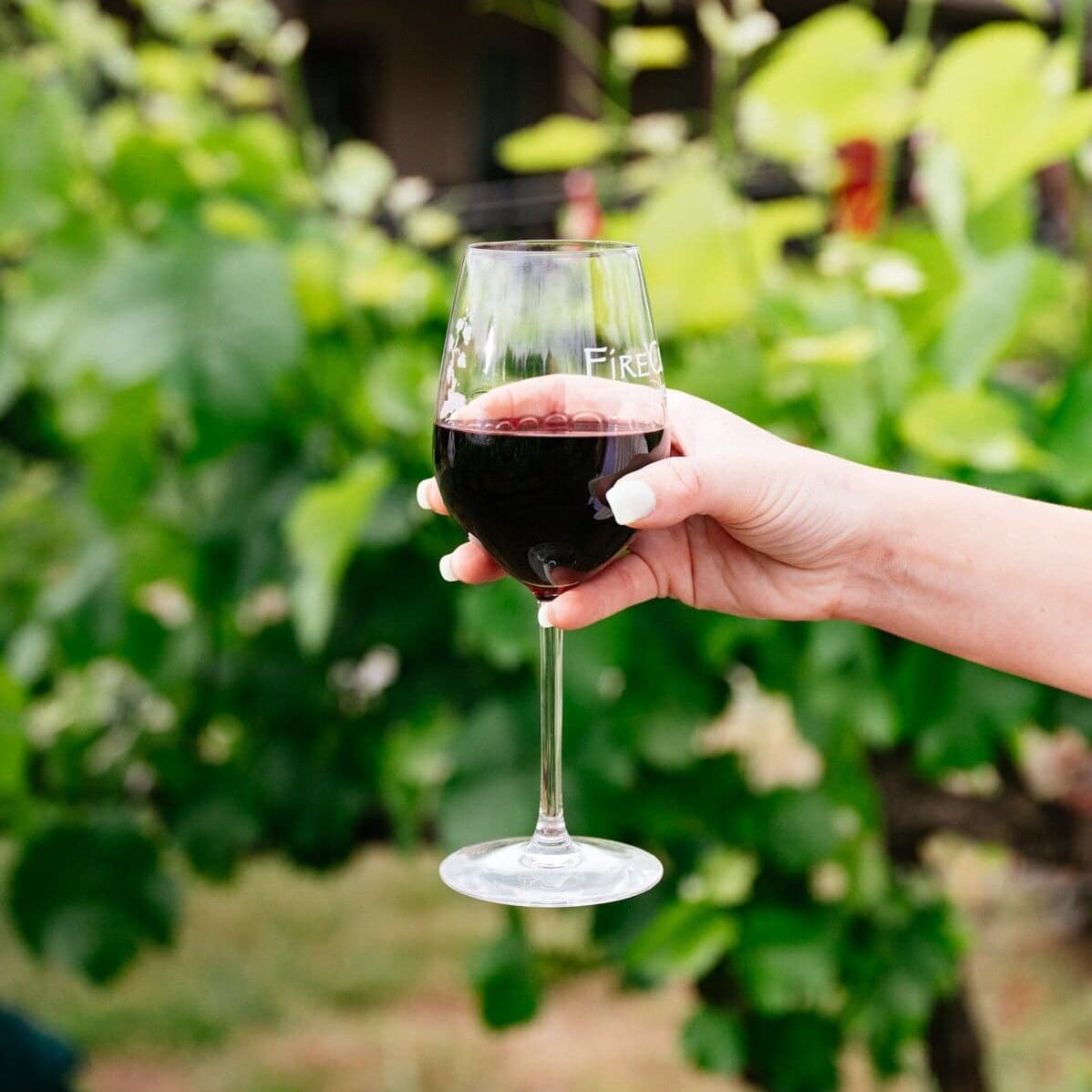
Mark sums up the appeal simply: “Sometimes Kathleen and I will get up on a Saturday or Sunday and just want a change of scenery that’s quiet and removed from city noise,” he says. “We come out to FireClay and sit on the porch, and it feels like a mini vacation.”
Sue and her family designed that sense of escape with intention. Sue, who co-owns the winery with her husband, Andrei Mitran, and son, Erik Mitran, chose the location for its natural advantages. “When we were looking for land about 15 years ago, we found this property, and it had so much going for it,” she says. The 17-acre site sits at one of the highest elevations in Chatham County, Sue says, with a south-facing slope, steady breezes and abundant sun – ideal conditions for healthy vines. The tasting room overlooks it all, inviting guests to linger and take in the view.
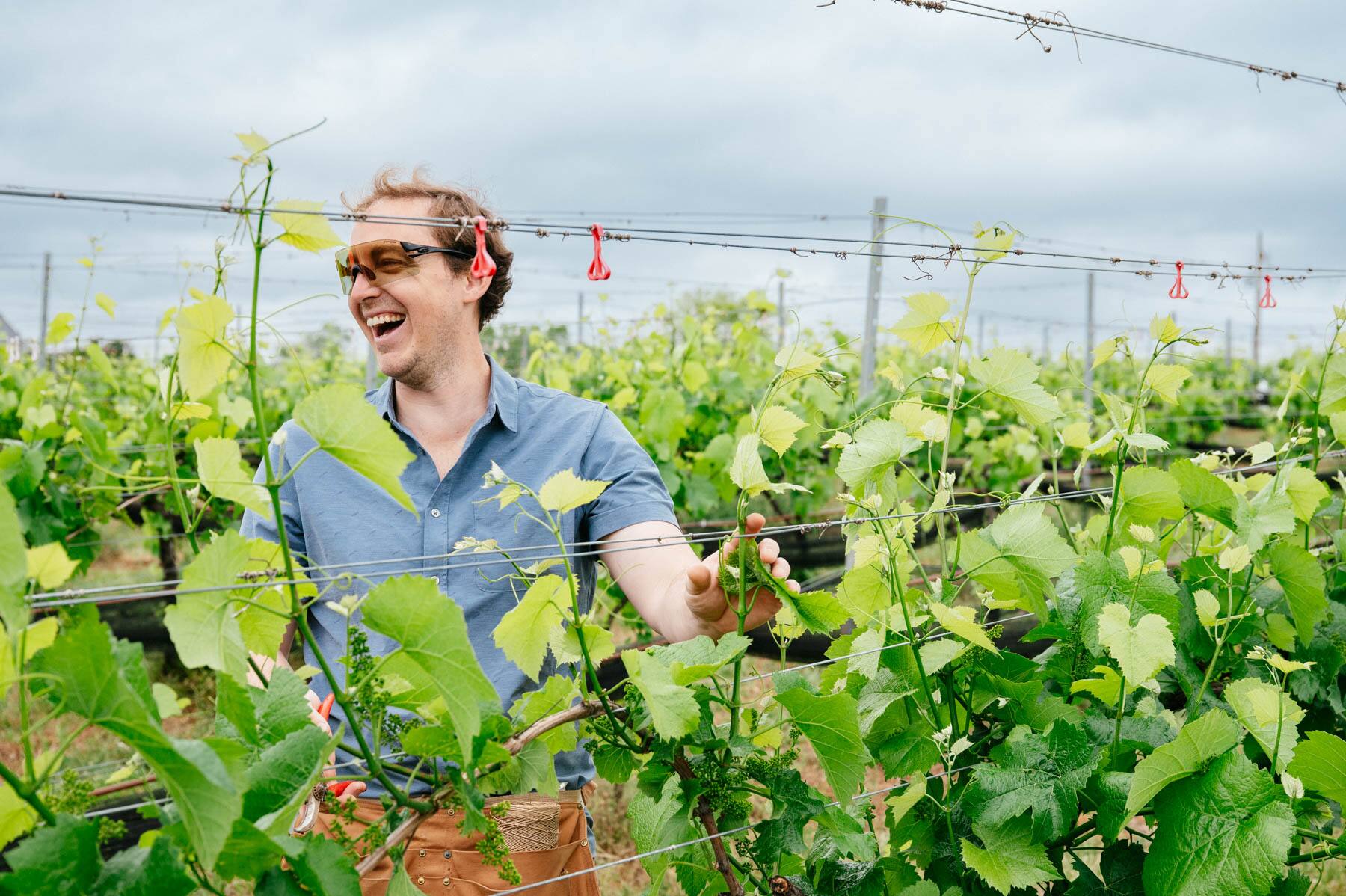
Andrei and Erik planted their first grapes in 2010. Trial and error shaped their early efforts, but persistence paid off with successfully cultivated wines that showcase bright acidity and unique character. The duo built the vineyard from the ground up. “They have pounded every post, run every inch of trellis wire, put in the drip irrigation system, put up the netting and planted each vine by hand, putting them down deep in the clay,” Sue says.
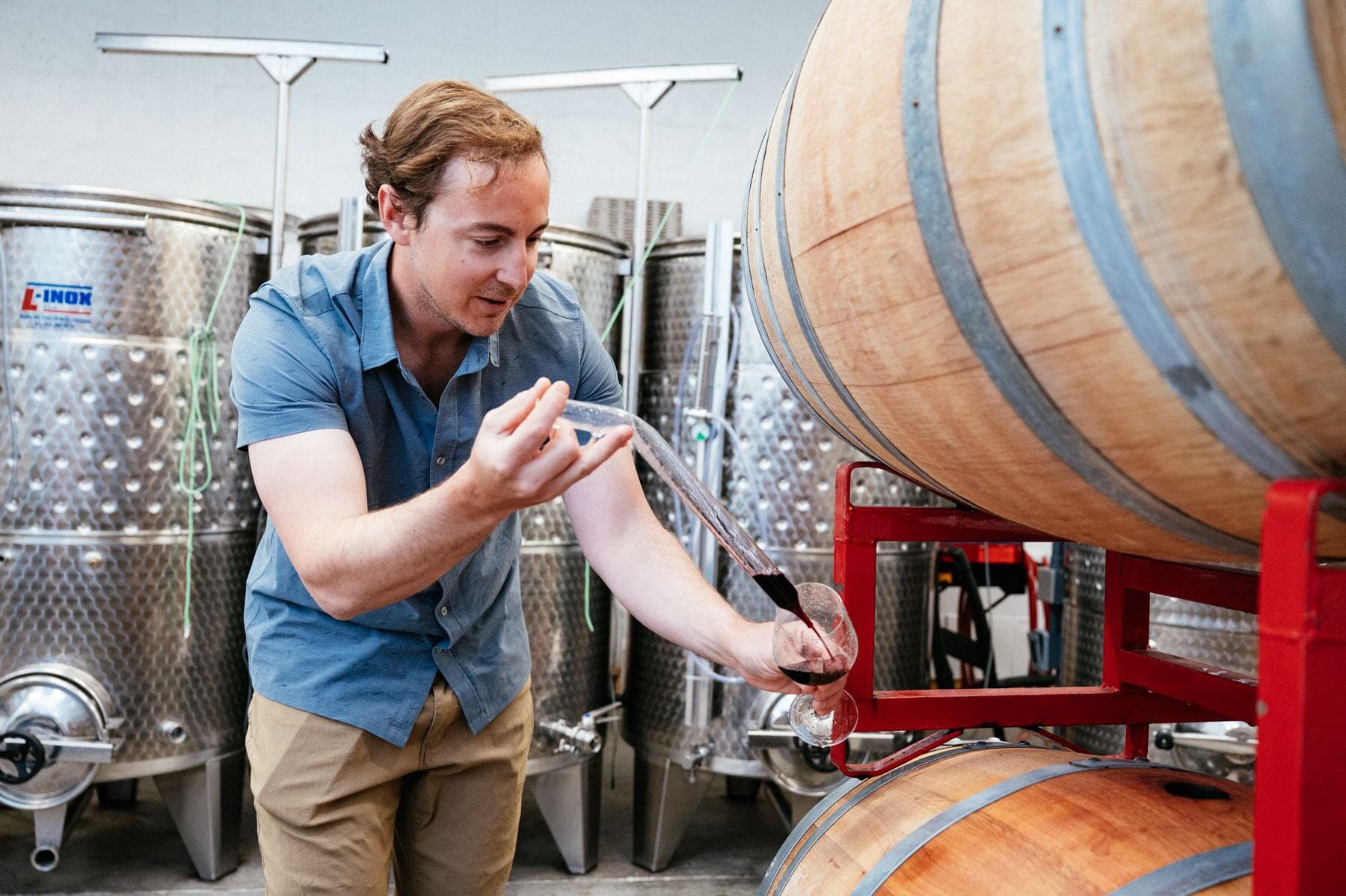
Erik, a graduate of North Carolina State University who holds a degree in chemical engineering, chose to combine his inquisitive mind with his family’s history of farming over a more traditional lab or office career. “A lot of our grape varieties are bred through universities like Cornell or [University of California,] Davis for disease resistance and to handle colder winters, and to work with the clay soil,” Erik says. That approach introduces guests to lesser-known varietals like traminette, crimson cabernet and chardonel. “I am always excited for people to try these wines they’ve never had,” Erik says. “They are truly unlike anything you’ve tasted before.”
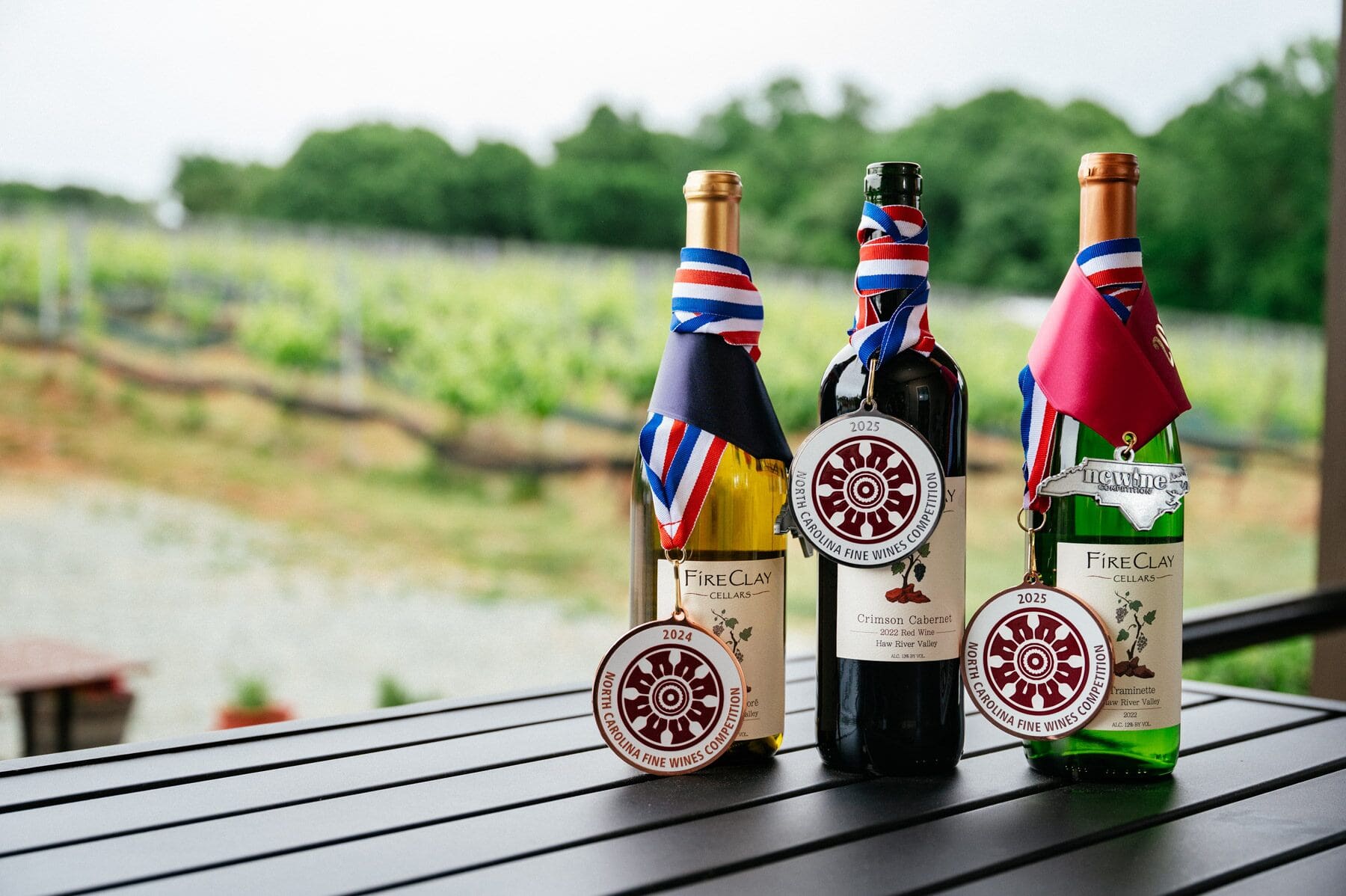
Red clay often gets a bad rap for its density, as it’s difficult to dig and irrigate, but it is also rich in nutrients. “We’re named FireClay as a celebration of the red soil,” Sue says. The weather, however, is a much harder – and more unpredictable – force to work around. “One year, we had just harvested and finished processing all the grapes the day before a hurricane,” Erik recalls. The power cut out just as he lowered the tank lid. “It got done just in time,” he says. “I remember thinking, ‘Well, there’s my sign to go home.’”
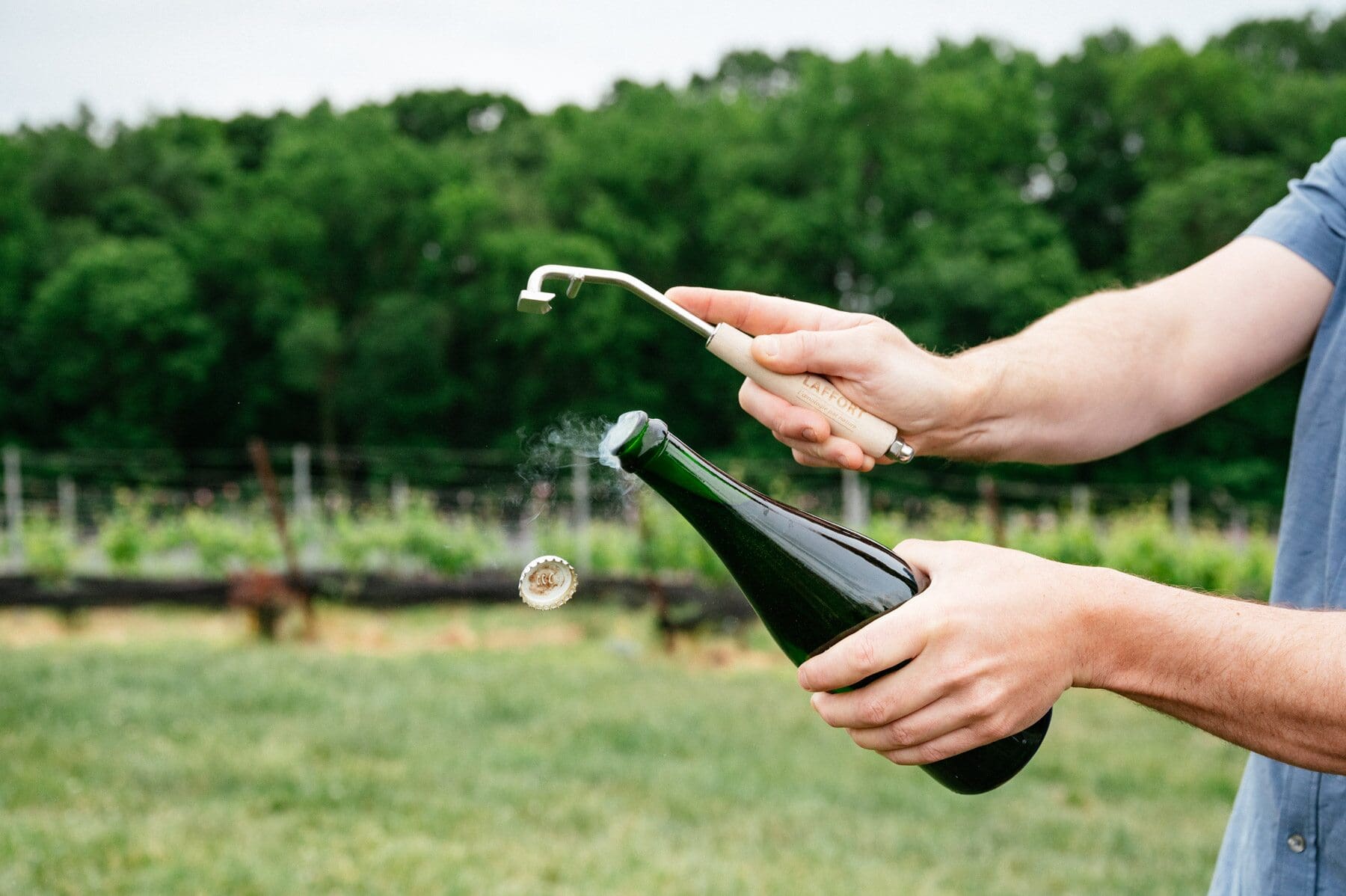
The elements pose other challenges as well. “The older vines’ roots go really deep,” Erik says. “Two inches of rain might sound like a lot, but it doesn’t do much for them because the water just sort of sits on the surface.” Young vines demand extra attention. The clay has a tendency to wick moisture away, especially from the newer plants, so Erik uses moisture meters to track water levels over the first few years.
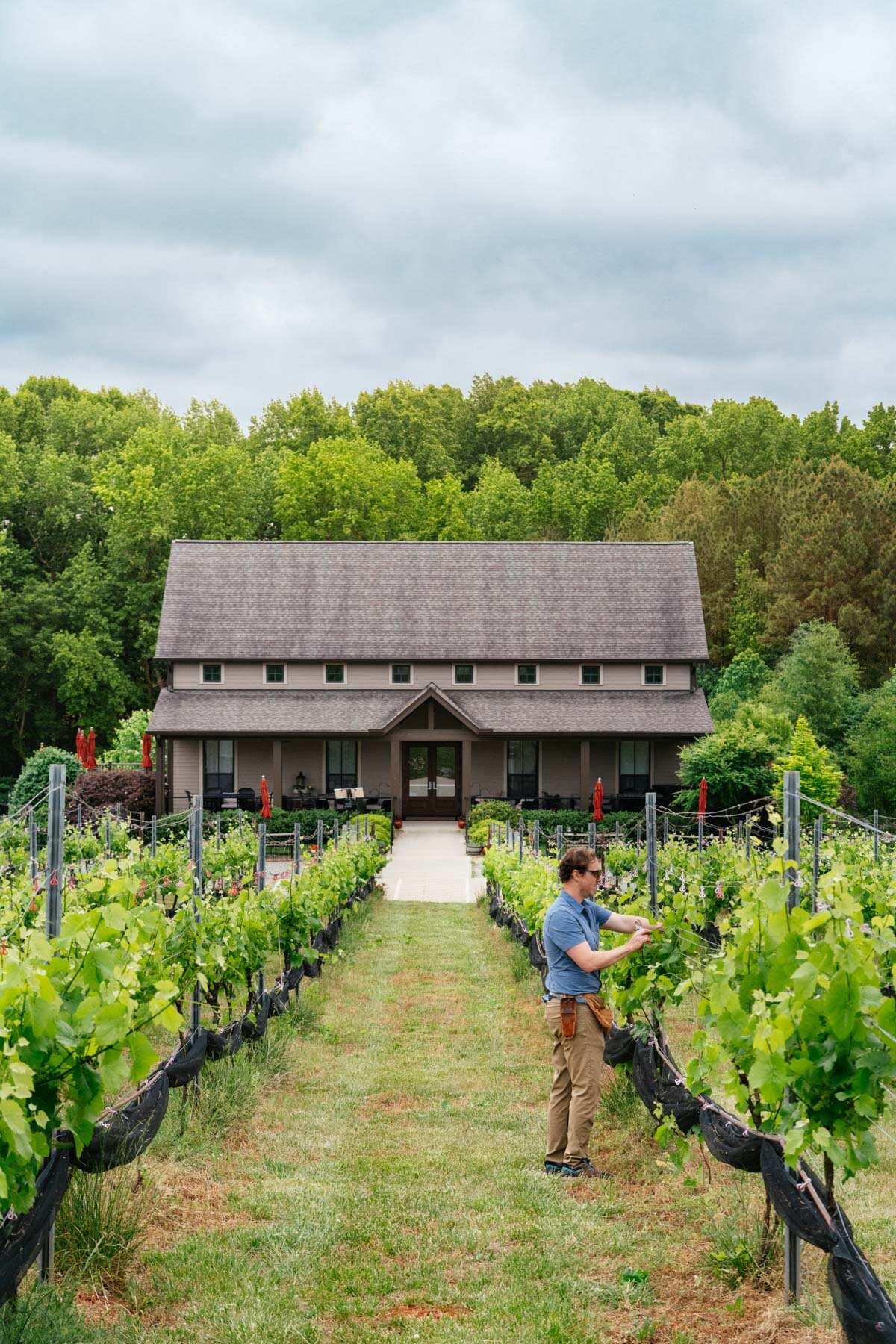
He also tests soil and leaves annually to measure mineral content. “The good properties of the red clay are its nutrients,” he explains. “It’s oxidized by iron, which is why it’s red. I’ll add organic compost mixed with calcium, or maybe a little lime or gypsum, just kind of natural amendments to keep the pH between 6.5 [and] 7.” The team is working toward an organic certification, but in the meantime, all fertilization, pest and weed control are handled using natural products.
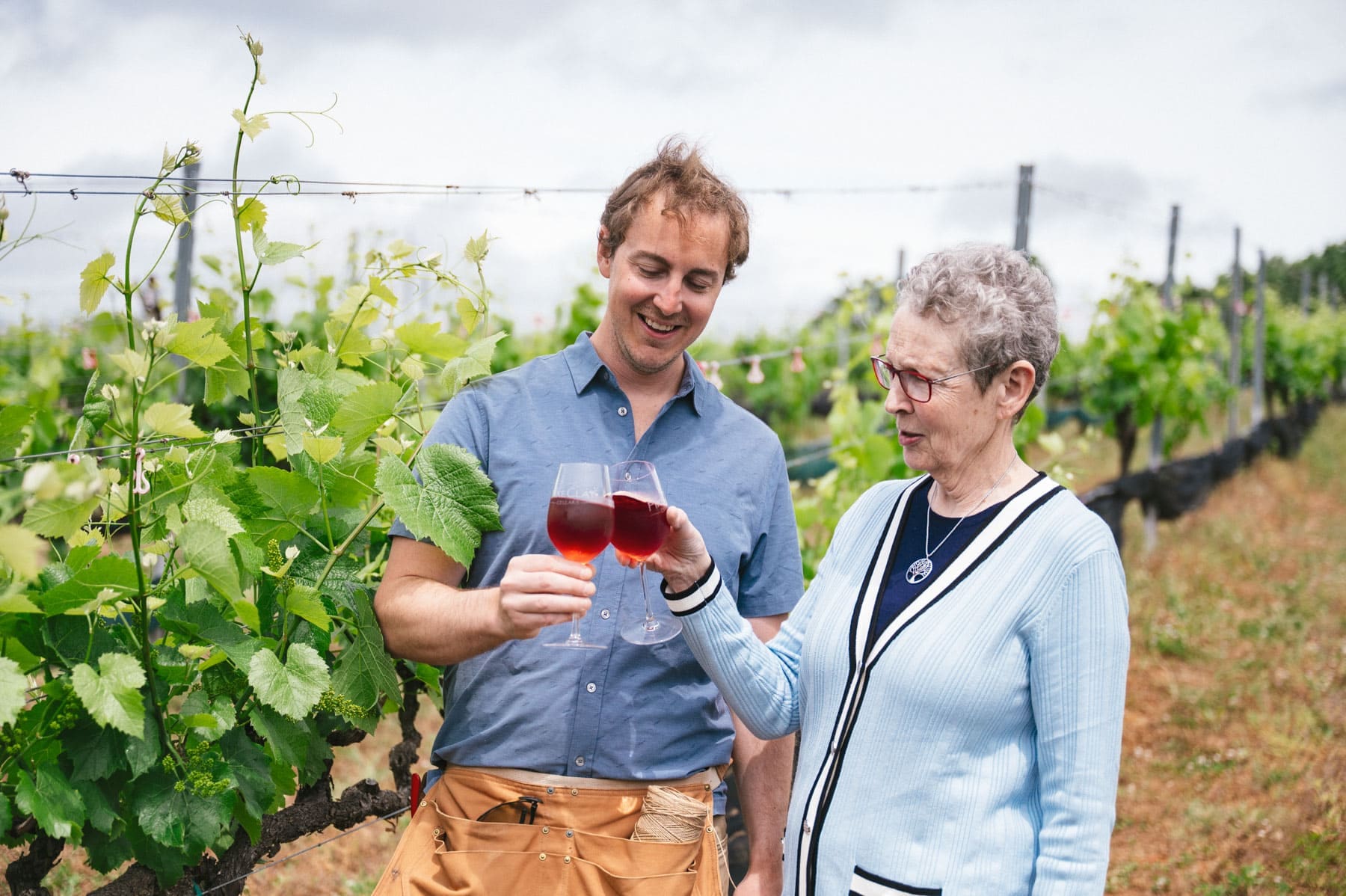
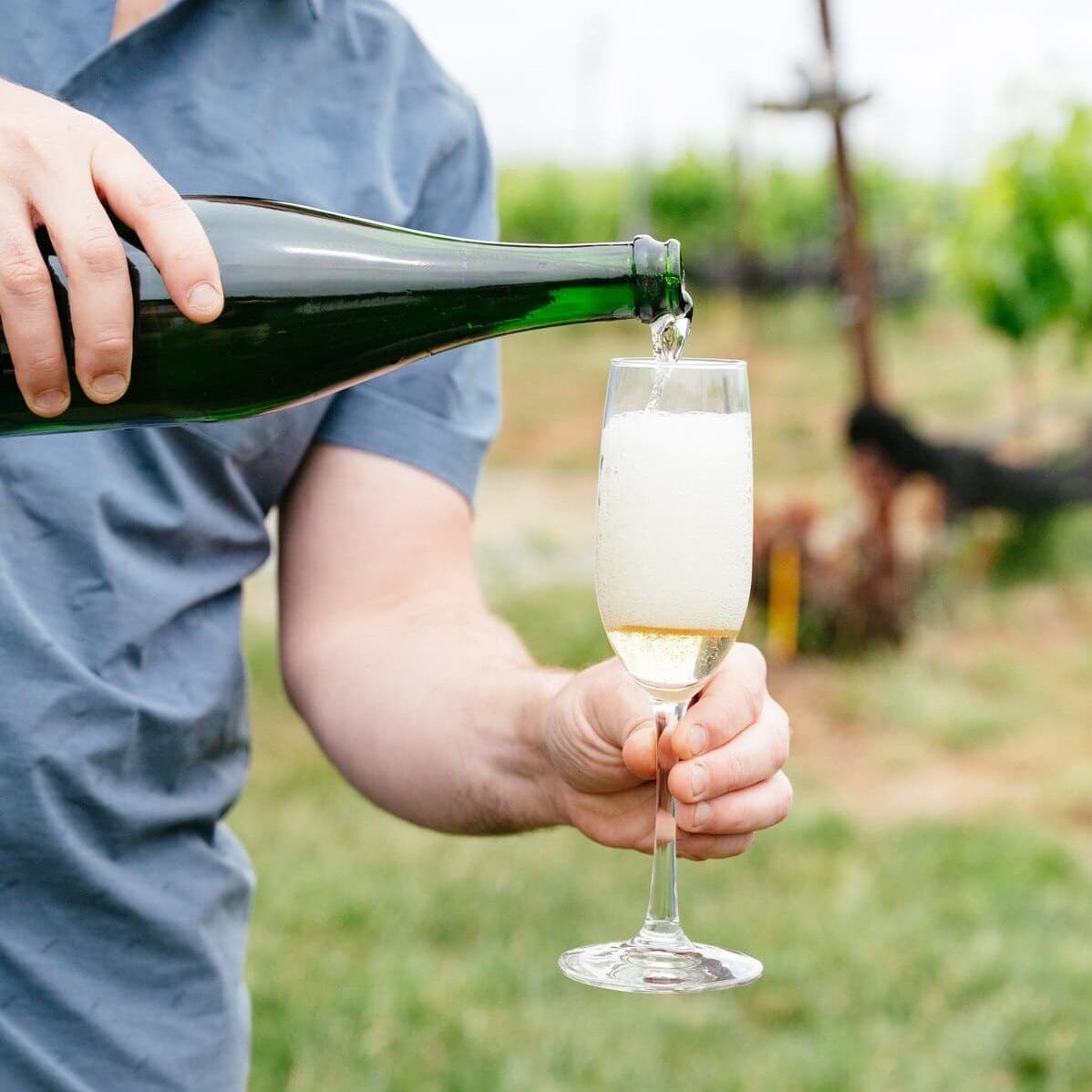
New offerings continue to expand the experience. Mead and cider now complement the wine list, and Erik plans to experiment with homegrown fruits like blackberries and figs this summer. “We sometimes produce sweeter wines, but most are dry,” he says. “We try to give people an expectation that these aren’t the muscadine wines North Carolina is known for, and it’s fun changing perceptions of what kinds of grapes can be grown here.”
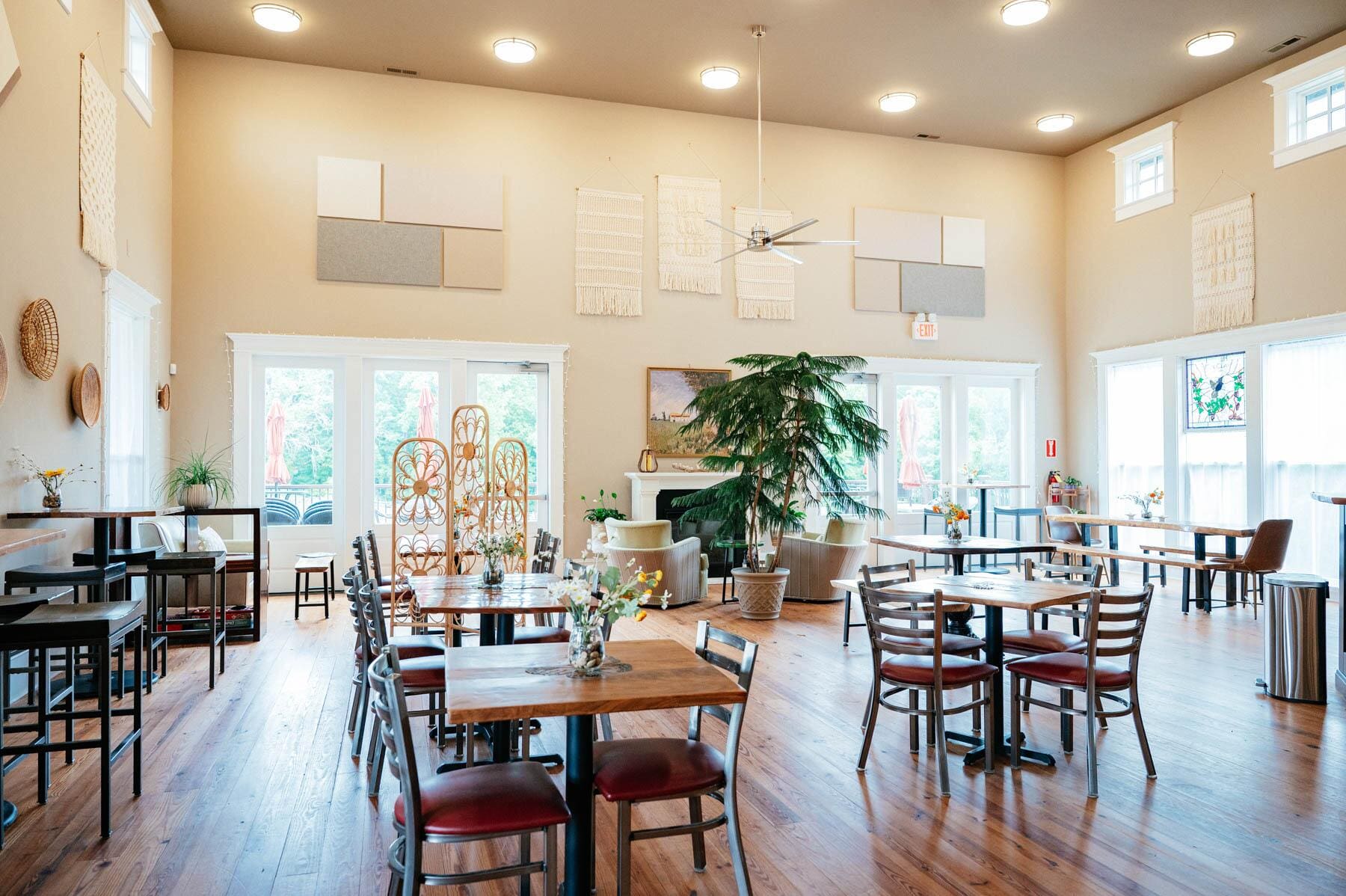
The space invites more than tastings. The main room and loft library upstairs are also available for event rentals, a leisurely backdrop for memorable gatherings, from bridal showers to family celebrations. Sue fittingly hosted Erik and his wife, Kelly Carstens’, baby shower at FireClay as the pair prepare to welcome their first child. “It’s a great place to relax,” Sue says, “no matter the occasion.”